
Flat roofs are a practical choice for garages, home extensions, porches and commercial buildings, but like any roofing system, they need attention to remain in good condition. Although modern materials such as EPDM rubber and GRP fibreglass are designed to withstand the British weather, poor drainage, damaged seals and neglected maintenance can eventually lead to leaks and expensive repairs.
The good news is that flat roof maintenance does not have to be complicated. Knowing what to look for, keeping drainage routes clear and dealing with minor problems promptly can help protect your roof and reduce the risk of unexpected damage.
For homeowners and property managers in Bristol, regular checks are particularly useful after periods of heavy rain, strong winds and prolonged wet weather. Whether you have an older felt roof or a more modern rubber roofing system, understanding how to maintain it can help you plan repairs before a small issue becomes a larger problem.
In this guide, we'll explain how to maintain a flat roof, identify common warning signs, look after different roofing materials and understand when to call a professional.
Why Is Flat Roof Maintenance Important?
A flat roof may appear straightforward, but its performance depends on several components working together. The waterproof membrane, roof edges, flashing, drainage outlets and underlying structure all play a role in keeping water out of your property.
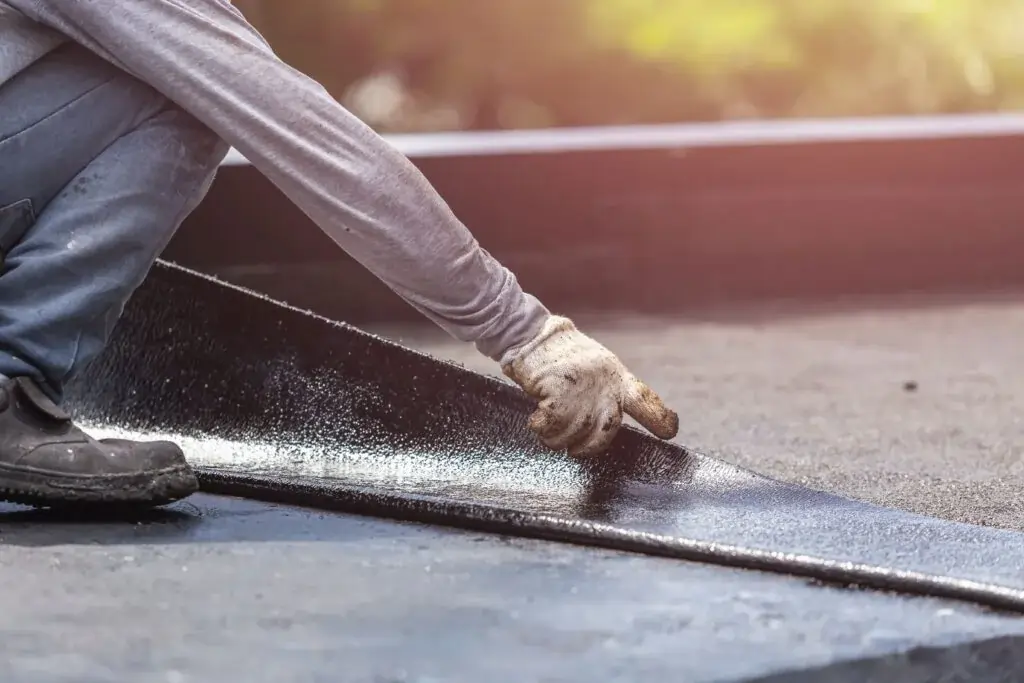
Unlike a steeply pitched roof, a flat roof relies on carefully designed falls and drainage points to direct rainwater away. If an outlet becomes blocked or the roof surface deteriorates, water may collect in certain areas and increase the risk of leaks.
Regular flat roof maintenance helps you identify these problems before they cause more extensive damage. For example, a small defect around a roof edge may allow moisture to enter gradually. If left unnoticed, this can affect the underlying roof deck, insulation and internal ceilings.
Maintenance is also important for protecting your investment. Replacing a few damaged components or arranging a targeted repair may be less disruptive than dealing with widespread water damage or premature roof replacement.
At Brunel Roofing Bristol Ltd, we provide flat roofing services in Bristol, including installations, repairs and maintenance. Understanding the condition of your existing roof is the first step towards deciding what work, if any, is required.
1. Inspect Your Flat Roof Regularly
One of the simplest ways to look after a flat roof is to check its condition periodically. You do not necessarily need to wait until water appears inside your property before investigating a potential problem.
A visual inspection can help you spot obvious signs of deterioration, particularly around roof edges, outlets and joints. It is sensible to check for visible problems after severe weather and arrange a professional inspection if anything appears damaged.
During a flat roof inspection, look out for:
- Cracks, splits or visible holes in the roofing membrane.
- Loose or damaged flashing around walls and roof junctions.
- Signs of lifting or separation around roof edges.
- Blocked drainage outlets or overflowing gutters.
- Areas where water appears to remain on the roof.
- Loose debris, leaves or branches.
- Damp patches or water staining on internal ceilings.
These checks are intended to help you recognise potential problems, not to encourage you to walk across the roof. Flat roofs are not automatically safe to access, and some roof coverings can be damaged by foot traffic. Never climb onto a roof without the appropriate access arrangements and safety measures.
If you cannot inspect the surface safely, ask a roofing professional to assess it.
There is no single inspection schedule that suits every roof. The ideal frequency depends on the roofing material, the age of the installation, nearby trees, drainage arrangements and exposure to weather. A roof with recurring drainage problems may need closer attention than a newer system in good condition.
2. Keep Roof Drains and Gutters Clear
Blocked drainage is one of the problems that can affect flat roof performance.
Leaves, moss, dirt and other debris can accumulate around outlets and gutters, restricting the route water needs to take away from the building. During heavy rainfall, a blocked outlet may prevent water from draining efficiently, increasing the likelihood of pooling and overflow.
As part of your flat roof maintenance routine, check that visible gutters, outlets and downpipes are free from obvious obstructions.
Pay particular attention to areas beneath overhanging trees, where leaves and small branches may collect throughout the year. If debris repeatedly builds up, more frequent checks may be necessary.
It is also worth checking whether water can flow away freely from the property after rainfall. Overflowing gutters, persistent damp patches around external walls or water collecting near the building may indicate a drainage issue that needs attention.
Avoid pushing debris into an outlet or using tools that could puncture the roofing membrane. If a drain is difficult to reach or appears damaged, arrange professional assistance.
Brunel Roofing Bristol Ltd also provides guttering services, helping property owners address guttering problems that may affect rainwater drainage.
3. Watch for Standing Water on the Roof
Flat roofs are not usually completely level. They are designed with a suitable fall to encourage rainwater to drain towards outlets or gutters.
However, you may occasionally notice water remaining on the surface after rainfall. This is commonly described as ponding water.
A small amount of temporary surface water does not automatically mean that a roof has failed. The important consideration is whether the water drains away as intended or remains in the same location for an extended period.
Persistent ponding can indicate blocked outlets, inadequate falls, a sagging roof deck or another drainage problem. Over time, prolonged water retention may place additional strain on the roofing system and increase the risk of deterioration.
If you repeatedly notice the same areas holding water, arrange an assessment rather than assuming that the problem will resolve itself.
A roofer can investigate whether the issue relates to the drainage system, the roof's design or the condition of the underlying structure.
Simply applying another layer of waterproof coating may not solve the problem if the underlying cause has not been addressed.
4. Check the Roof Membrane for Damage
The waterproof membrane is one of the most important parts of a flat roofing system. It forms the protective barrier that prevents rainwater from entering the roof structure.
Different roofing materials have different maintenance requirements, so it helps to know which type of roof your property has.
Maintaining a Felt Flat Roof
Traditional felt roofing is commonly used on garages, sheds, extensions and other flat-roofed structures.
Over time, exposure to sunlight, rain and temperature changes can contribute to surface deterioration. Depending on the system and its condition, you may notice cracks, blisters, splits or areas where the covering has lifted.
If you spot these warning signs, arrange an inspection to establish whether a repair is possible. Avoid applying sealant or additional felt without understanding the cause of the damage, as an unsuitable repair may conceal a more serious problem.
Maintaining an EPDM Rubber Roof
EPDM is a synthetic rubber membrane used on many flat and low-pitched roofs. It is valued for its flexibility, weather resistance and relatively low maintenance requirements.
However, an EPDM roof still needs periodic checks. Look for visible damage, problems around roof edges and signs of separation near joints, outlets or penetrations.
The detailing around these areas is particularly important because a problem with a seal or connection can allow water to enter even when the main membrane appears to be in good condition.
Avoid using cleaning products, adhesives or repair materials unless they are suitable for the specific EPDM system.
If you have a rubber roof, our EPDM rubber roofing services explain the options available for installations, repairs and replacements.
Maintaining a GRP Fibreglass Roof
GRP, or glass-reinforced plastic, creates a hard-wearing waterproof surface commonly used on flat roofs.
Although GRP roofing can be durable, the surface and its detailing still need to be checked for signs of damage. Depending on the roof system, cracks, impact damage or deterioration around joints and edges may require professional attention.
Do not assume that a visible crack is merely cosmetic. Its significance depends on the location, depth and condition of the surrounding roof.
Using an unsuitable coating or repair product can also affect the roofing system, so any remedial work should be compatible with the existing materials.
For all flat roof types, early identification is useful, but repairs should be based on the actual condition of the roof rather than the appearance of the surface alone.
5. Keep Leaves, Moss and Debris Under Control
Debris can accumulate on flat roofs throughout the year, particularly on properties surrounded by trees.
Leaves, twigs and other organic material may collect around outlets, roof edges and corners. If left in place, this debris can restrict drainage and retain moisture in certain areas.
Moss and algae may also develop where conditions remain damp, although their presence does not automatically mean the waterproof membrane has failed.
As part of routine flat roof maintenance, arrange for accumulated debris to be removed safely and check that drainage routes remain clear.
Cleaning methods must be appropriate for the roofing material. Aggressive scrubbing, sharp tools and high-pressure washing can damage some roof coverings or disturb important seals.
Never use pressure-washing equipment on a flat roof unless the roofing system's manufacturer and a suitably qualified professional confirm that the method is appropriate.
If the roof is difficult to access or you are unsure how to clean it safely, professional maintenance is the more sensible option.
6. Check Roof Edges, Flashing and Joints
A flat roof can develop a leak even when most of its surface appears undamaged.
This is because water can enter through vulnerable details, including joints, flashing, roof edges and the points where pipes or other fittings pass through the roof.
Flashing is used to help form a weather-resistant junction between the roof and adjoining structures, such as walls and chimneys. If flashing becomes loose, cracked or poorly sealed, rainwater may find its way beneath the roof covering.
During an inspection, pay attention to visible signs such as lifting edges, gaps, loose sections or deteriorating sealant.
However, do not attempt to reseal every visible joint with a general-purpose product. Different roofing materials require compatible detailing and repair methods, and an incorrect repair may cause further problems.
If you suspect a leak around a roof junction, arrange for the affected area to be inspected.
Brunel Roofing Bristol Ltd provides roofing repairs to address roofing defects and help restore the weather protection your property needs.
7. Look for Signs of Water Damage Inside the Property
Not every flat roof problem is immediately visible from outside.
Sometimes, the first indication of a leak is a damp patch on the ceiling, peeling paint, discolouration around a wall or an unexplained musty smell.
If you notice any of these signs beneath a flat roof, investigate the cause rather than simply repainting the affected area.
Water may travel along roof timbers or other building components before appearing indoors, meaning the visible stain is not necessarily directly below the point where water entered.
It is also important to remember that condensation can produce symptoms similar to a roof leak. Moisture problems may arise from ventilation, insulation or indoor humidity, so the cause needs to be identified before repairs are planned.
If water is entering the property, arrange a professional assessment promptly. Where there is active water ingress, protect belongings and avoid using electrical equipment in affected areas if it may be unsafe to do so.
A roofing professional can examine the roof and help establish whether the problem relates to the membrane, flashing, drainage or another part of the building.
8. Avoid Unnecessary Foot Traffic on Your Flat Roof
A flat roof may look convenient to access, particularly if it covers a garage or extension. However, not every flat roof is designed to support regular foot traffic.
Walking across an unsuitable roof can damage the membrane, disturb joints or place excessive pressure on the roof deck. Some roofing materials may also be vulnerable to punctures or impact damage from tools and equipment.
Before using the roof as a working platform or storage area, establish whether it was designed for that purpose.
If the roof is intended to be accessible, its construction, waterproofing details and protective surface must be appropriate for the intended use.
For routine maintenance, avoid placing heavy equipment or unnecessary materials on the roof. If a repair requires access, use suitable safety arrangements and ensure that the roofing system is protected from avoidable damage.
If you are unsure whether your roof can support foot traffic, ask a roofing professional to assess its construction and intended use.
9. Prepare Your Flat Roof for Winter
Autumn and winter can put additional pressure on roofing systems because of prolonged rainfall, strong winds, colder temperatures and falling leaves.
Preparing your flat roof before the worst of the weather arrives can help you identify issues while there is still time to arrange repairs.
Start by checking visible drainage points and ensuring that gutters and outlets are not obstructed. Look for signs of damage around roof edges, joints and flashing, and pay attention to any areas that have previously leaked.
If the roof has developed recurring drainage problems or the waterproof membrane appears to be deteriorating, arrange an inspection before the next period of heavy rainfall.
After severe weather, check for visible signs of damage from a safe location. Do not climb onto the roof to investigate loose materials or standing water.
It is also worth checking the ceiling and loft space below the roof for fresh damp patches or water staining.
Seasonal checks are not a substitute for repairs, but they can help you identify concerns earlier and plan the work needed to protect your property.
10. Know When to Call a Professional Roofer
Routine checks can help you spot warning signs, but not every flat roof problem can be resolved through basic maintenance.
Some defects require specialist knowledge to identify the cause and determine the correct repair method. This is particularly true when water is entering the building, the roof surface has split or the underlying structure may be affected.
Consider arranging a professional inspection if you notice:
- Repeated leaks, even after previous repairs.
- Cracks, splits or significant deterioration in the membrane.
- Water that remains in the same area for an extended period.
- Loose flashing or separating roof edges.
- Soft, sagging or visibly uneven sections of the roof.
- Damp patches or water damage inside the property.
- Multiple repair patches or recurring problems around the same joints.
The age of the roof is another consideration. An older roof may still be serviceable, but repeated leaks and widespread deterioration can indicate that repairs alone are no longer the most practical solution.
A professional assessment can help determine whether a targeted repair, more extensive remedial work or a complete replacement is appropriate.
At Brunel Roofing Bristol Ltd, we provide flat roof repairs and installation services for property owners who need help assessing their existing roof or planning a new roofing system.
Can Flat Roof Maintenance Prevent Costly Repairs?
Regular maintenance can reduce the risk of certain problems becoming more serious, although it cannot prevent every roofing issue.
For example, clearing a blocked outlet may help restore drainage before water causes further damage. Identifying a loose section of flashing may allow a targeted repair before moisture reaches the underlying structure.
By contrast, ignoring repeated leaks or applying temporary patches without identifying the underlying cause can lead to more extensive deterioration.
The most useful approach is to combine simple visual checks with timely professional advice when something does not look right.
It is also important to keep realistic expectations. Maintenance cannot reverse the effects of ageing materials or correct every underlying design or installation problem. If the roof is nearing the end of its useful life, replacement may eventually be more appropriate than continued repairs.
The aim is to understand the roof's condition, address defects promptly and make informed decisions about the work it needs.
Why Choose Brunel Roofing Bristol Ltd for Flat Roof Maintenance?
If you own a property in Bristol, keeping your flat roof in good condition is an important part of protecting the building from the elements.
Brunel Roofing Bristol Ltd provides flat roofing services covering installation, repairs and maintenance. The company works with different roofing systems, including felt, EPDM rubber and GRP fibreglass, helping property owners find a solution suited to their roof and its requirements.
Whether you have noticed a leak, are concerned about standing water or want to assess an ageing flat roof, a professional inspection can help establish the next steps.
Every roof is different, so the appropriate work depends on its materials, age, drainage, condition and the extent of any damage. Addressing these factors can help you avoid unnecessary work and make a more informed decision about repairs or replacement.
If your flat roof needs attention, contact Brunel Roofing Bristol Ltd to discuss your requirements and request a free, no-obligation quotation.